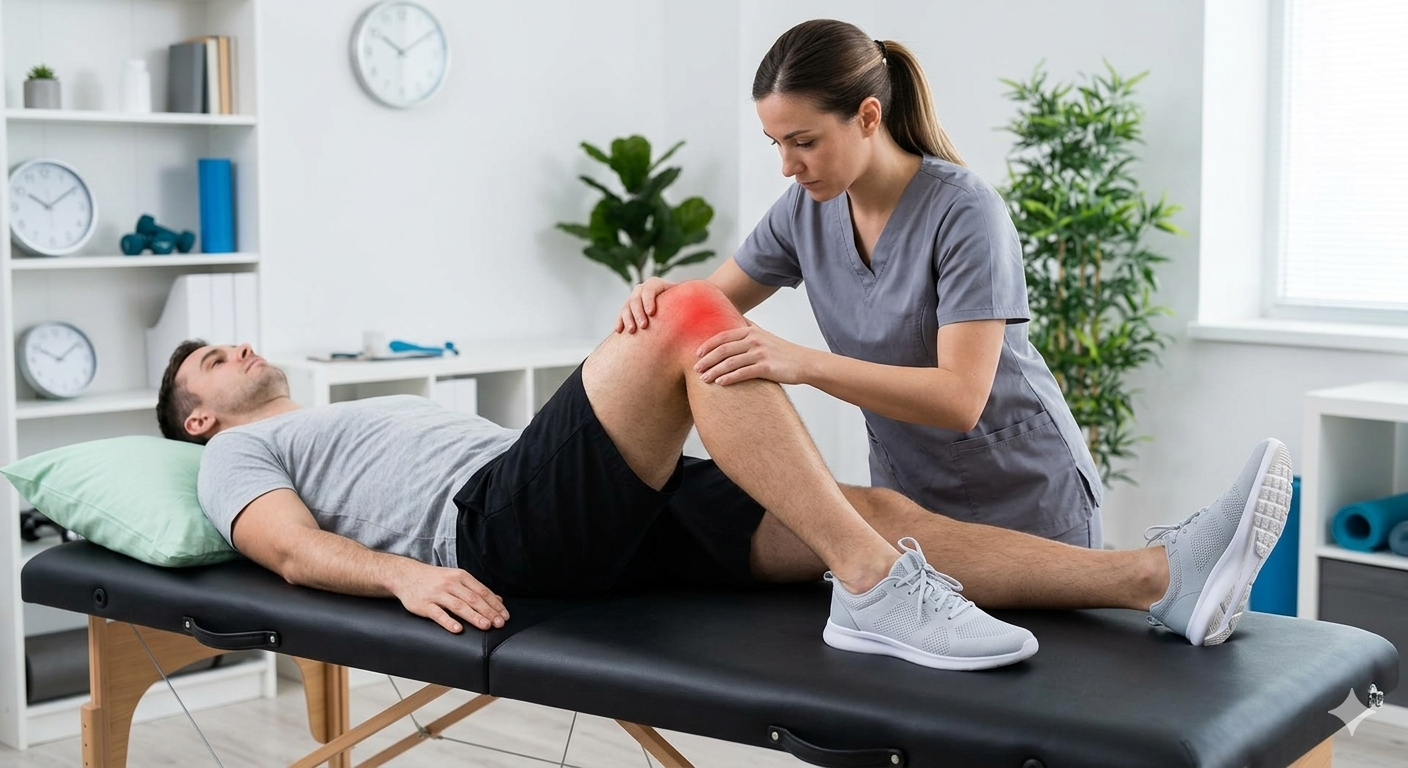
Introduction to Physiotherapy and Injury Rehabilitation
Purpose
Physiotherapy and injury rehabilitation services play a vital role in helping individuals recover from injuries manage pain restore mobility and regain physical function. This section introduces the importance of professional rehabilitation care and explains how physiotherapy supports safe and effective recovery through personalized treatment approaches.
The Growing Need for Professional Rehabilitation Services
Modern lifestyles sports participation workplace activities and age related physical conditions have increased the demand for professional rehabilitation services. Injuries affecting muscles joints ligaments and bones can significantly impact daily activities and overall quality of life. Professional rehabilitation programs provide structured treatment plans that help patients recover safely while minimizing the risk of long term complications.
As awareness of physical health continues to grow more individuals are seeking specialized rehabilitation services to improve movement reduce discomfort and return to their normal routines as quickly as possible.
The Importance of Early Injury Treatment and Recovery
Early intervention is one of the most important factors in successful injury recovery. Delaying treatment can lead to prolonged pain reduced mobility muscle weakness and an increased risk of further injury. Professional physiotherapy helps identify the root cause of physical limitations and provides targeted treatments that support faster healing.
Timely rehabilitation also helps prevent compensatory movement patterns that may place additional stress on other parts of the body. By addressing injuries at an early stage patients can achieve better recovery outcomes and restore function more effectively.
How Physiotherapy Helps Restore Movement and Function
Physiotherapy focuses on improving physical movement flexibility strength and overall functional ability. Through evidence based treatment techniques physiotherapists help patients recover from injuries reduce pain and improve mobility.
Treatment programs are designed to address specific physical challenges and support the body’s natural healing process. By improving joint mobility muscle strength and movement patterns physiotherapy enables patients to return to work sports and daily activities with greater confidence and comfort.
Benefits of Personalized Rehabilitation Programs
Every injury and recovery journey is unique. Personalized rehabilitation programs are developed according to the patient’s condition physical abilities recovery goals and lifestyle requirements. These customized plans ensure that treatment remains focused on the individual’s specific needs.
Personalized rehabilitation may include pain management techniques mobility exercises strengthening programs posture correction and functional training. This tailored approach helps maximize recovery potential while promoting long term physical health and injury prevention.
Core Entity Physiotherapy Clinic for Injury Rehabilitation
A Physiotherapy Clinic for Injury Rehabilitation is a specialized healthcare facility dedicated to helping patients recover from physical injuries and movement related conditions. These clinics provide professional assessment rehabilitation planning and therapeutic interventions aimed at restoring physical function and improving overall well being.
Physiotherapy clinics combine clinical expertise modern rehabilitation techniques and individualized care to support patients throughout every stage of recovery.
Understanding Physiotherapy and Its Role in Recovery
Physiotherapy is a healthcare discipline focused on restoring movement improving physical function and enhancing quality of life through therapeutic techniques and exercise based interventions. Physiotherapists assess physical limitations identify contributing factors and develop treatment strategies that promote healing and recovery.
The primary goal of physiotherapy is not only to treat symptoms but also to address the underlying causes of pain and movement dysfunction.
The Role of Rehabilitation Clinics in Physical Recovery
Rehabilitation clinics provide structured environments where patients receive professional support throughout the recovery process. These clinics offer comprehensive services designed to improve mobility reduce pain restore strength and enhance physical performance.
Through continuous monitoring and treatment adjustments rehabilitation clinics help ensure that patients make steady progress toward their recovery goals.
Professional Assessment and Treatment Planning
Successful rehabilitation begins with a detailed assessment of the patient’s condition. Physiotherapists evaluate factors such as pain levels mobility restrictions muscle strength posture and movement patterns to develop an accurate understanding of the injury.
Based on these findings a customized treatment plan is created to address specific recovery needs. This systematic approach ensures that every stage of rehabilitation is aligned with the patient’s progress and functional goals.
Comprehensive Recovery Solutions for Long-Term Health
Modern physiotherapy clinics provide comprehensive recovery solutions that go beyond immediate symptom relief. Treatment strategies focus on restoring physical function improving strength and flexibility preventing future injuries and promoting overall musculoskeletal health.
By combining therapeutic exercises manual therapy techniques mobility training and patient education rehabilitation programs support sustainable recovery and long term physical well being.
Concepts Covered in Physiotherapy and Injury Rehabilitation
Physiotherapy and rehabilitation services encompass a wide range of treatment approaches designed to support physical recovery. These include physiotherapy which focuses on movement restoration and functional improvement injury which addresses recovery after physical trauma pain relief therapy which helps manage discomfort and inflammation sports therapy which supports athletic recovery and performance muscle therapy which improves muscle function and flexibility healing therapy which promotes tissue recovery and structured recovery programs that guide patients through every stage of rehabilitation.
Conclusion
Physiotherapy and injury rehabilitation services are essential components of modern healthcare helping individuals recover from injuries reduce pain and restore physical function. Through professional assessment personalized treatment planning and comprehensive rehabilitation programs physiotherapy clinics provide effective solutions for achieving long term recovery and improved quality of life.
Understanding Physiotherapy Treatment
This section explains how physiotherapy treatment helps improve body movement reduce pain and restore normal physical function. It highlights how structured rehabilitation techniques support recovery from injuries movement disorders and musculoskeletal conditions through non surgical and evidence based care.
What is Physiotherapy
Physiotherapy Treatment is a healthcare approach that focuses on restoring movement improving physical function and reducing pain through therapeutic exercises and manual techniques. It is commonly used for injury recovery post surgery rehabilitation sports injuries and chronic musculoskeletal conditions.
Physiotherapy works by addressing the root cause of physical limitations rather than only managing symptoms ensuring long term recovery and improved quality of life.
Common Physiotherapy Techniques
Physiotherapy involves a variety of treatment techniques designed to support recovery and functional improvement.
Manual Therapy
Manual therapy involves hands on techniques used by physiotherapists to reduce pain improve joint movement and release muscle tension. It helps restore normal mobility and supports faster recovery from injury.
Exercise Therapy
Exercise therapy focuses on structured physical exercises designed to strengthen muscles improve flexibility and restore movement patterns. These exercises are customized according to the patient’s condition and recovery goals.
Mobility Training
Mobility training aims to improve the ability to move joints and muscles effectively. It helps patients regain independence in daily activities by enhancing movement control coordination and flexibility.
Posture Correction
Posture correction focuses on improving body alignment to reduce strain on muscles and joints. Poor posture can contribute to pain and dysfunction so physiotherapists guide patients in maintaining correct posture during movement and rest.
Benefits of Physical Rehabilitation
Physiotherapy and rehabilitation provide several important benefits that support both short term recovery and long term physical health. It helps reduce pain improve mobility restore strength and enhance overall body function. Patients also experience better balance increased flexibility and improved ability to perform daily activities without discomfort.
In addition physiotherapy plays a key role in preventing future injuries by strengthening the body and correcting movement patterns.
Core Entity Physiotherapy Treatment
Physiotherapy Treatment refers to a structured medical and therapeutic approach that uses physical methods such as exercise manual therapy and movement training to restore normal body function reduce pain and improve mobility.
It is widely used in rehabilitation clinics to help patients recover from injuries and improve overall physical performance.
Concepts Covered in Physiotherapy Treatment
Physiotherapy includes several core rehabilitation concepts such as manual therapy which helps reduce muscle tension and improve joint movement exercise therapy which strengthens muscles and restores function mobility training which improves movement efficiency and posture correction which ensures proper body alignment and reduces physical strain.
Injury Rehabilitation for Faster Recovery
Purpose of Injury Rehabilitation
Injury rehabilitation is a structured medical and therapeutic process designed to help patients recover after physical injuries and restore normal body function. It focuses on reducing pain improving mobility rebuilding strength and guiding patients back to their daily activities safely and effectively.
The main purpose of rehabilitation is not only healing the injury but also ensuring complete functional recovery so that the risk of re injury is minimized in the future.
Rehabilitation Stages in Recovery
Injury rehabilitation follows a step by step process that is divided into different stages based on the healing condition of the body.
Acute Injury Recovery Stage
This is the initial stage after injury where the focus is on reducing pain inflammation and swelling. Rest controlled movement and early therapeutic care are used to stabilize the condition and prevent further damage.
Functional Rehabilitation Stage
Once the initial pain and inflammation decrease the focus shifts toward restoring normal movement patterns. This stage helps the patient regain basic functional abilities such as walking bending or lifting without discomfort.
Mobility Restoration Stage
At this stage physiotherapy focuses on improving joint flexibility and overall movement capacity. Patients are guided through controlled exercises that help restore smooth and pain free motion in the affected area.
Strength Development Stage
The final stage focuses on rebuilding muscle strength and endurance. Strength training exercises help restore full physical capacity allowing patients to return to normal activities work or sports safely.
Importance of Structured Recovery Planning
A structured recovery plan is essential for successful injury rehabilitation because every injury is different in severity and healing time. A well planned rehabilitation program ensures that each stage of recovery is completed properly before moving to the next.
This structured approach helps avoid complications reduces recovery time and ensures that the patient achieves long term physical stability rather than temporary relief.
Key Points in Rehabilitation Process
The rehabilitation process begins with a detailed injury evaluation where the severity and type of injury are assessed. Based on this assessment recovery goals and structured treatment plans are created.
Throughout the process recovery milestones are tracked to measure progress and ensure proper healing. The ultimate aim is functional restoration where the patient regains normal movement and physical ability.
Long term recovery goals focus on preventing re injury improving physical strength and maintaining overall musculoskeletal health.
Pain Relief Therapy for Chronic and Acute Pain
Purpose of Pain Relief Therapy
Pain relief therapy is designed to help patients manage both acute and chronic pain while improving their overall quality of life. It focuses on reducing discomfort restoring physical comfort and supporting natural healing without relying on surgical intervention.
This type of therapy is an important part of physiotherapy and rehabilitation because it allows patients to return to normal movement and daily activities with less pain and better physical control.
Pain Management Techniques in Physiotherapy
Pain management in physiotherapy involves a combination of clinical techniques and therapeutic methods that target the source of pain rather than just masking symptoms.
These techniques are carefully selected based on the patient’s condition pain severity and injury type. The goal is to reduce discomfort improve function and prevent pain from becoming a long term issue.
Non Surgical Pain Treatment Approaches
One of the most important aspects of pain relief therapy is that it is completely non surgical. Instead of invasive procedures physiotherapists use physical methods to manage pain safely and effectively.
These approaches help patients avoid surgery risks reduce recovery time and achieve natural healing through controlled therapeutic interventions.
Rehabilitation Based Pain Relief
Pain relief therapy is closely connected with rehabilitation because it not only reduces pain but also restores movement and physical function.
Through guided rehabilitation exercises and therapeutic techniques patients gradually regain strength and mobility while minimizing discomfort. This approach ensures long term improvement rather than temporary relief.
Joint Pain Treatment and Mobility Restoration
Joint Pain Treatment
Joint pain treatment focuses on relieving discomfort in the joints while restoring normal movement and physical function. It is commonly used for patients suffering from stiffness inflammation injury or degenerative conditions that affect mobility and daily activities.
The main goal of this treatment is not only pain reduction but also complete mobility restoration allowing patients to move freely and perform routine tasks without limitation.
Causes of Joint Pain
Joint pain can occur due to multiple factors affecting the bones cartilage muscles and surrounding tissues. Common causes include injury overuse of joints aging related wear and tear arthritis inflammation and poor posture or movement patterns.
In some cases sports activities or sudden physical strain can also lead to joint stress and reduced mobility. Identifying the exact cause is essential for designing an effective treatment and rehabilitation plan.
Rehabilitation Methods for Joint Pain
Joint pain rehabilitation involves a combination of physiotherapy techniques designed to reduce pain and improve joint function. These methods include manual therapy therapeutic exercises and guided movement training.
The treatment is tailored according to the severity of pain and the specific joint affected ensuring a structured recovery process that gradually restores normal function.
Joint Mobility Improvement Process
Improving joint mobility is a key part of treatment. Through controlled movements and physiotherapy exercises stiffness is reduced and range of motion is gradually restored.
This process helps patients regain smooth pain free movement making it easier to perform daily activities such as walking bending lifting and rotating joints without discomfort.
Sports Therapy for Athletic Recovery
Purpose of Sports Therapy
Sports therapy focuses on helping athletes and physically active individuals recover from injuries improve performance and return safely to their sport or training activities. It is a specialized branch of physiotherapy that combines rehabilitation performance training and injury prevention strategies.
The main goal of sports therapy is not only recovery but also ensuring that athletes regain full strength mobility and performance level after injury.
Sports Injury Management
Sports injury management involves the assessment treatment and rehabilitation of injuries that occur during physical activity or sports participation. These injuries may include muscle strains ligament tears joint injuries or overuse conditions.
Effective management ensures that the injury is treated early inflammation is controlled and the healing process is properly guided to avoid long term complications or re injury.
Athletic Rehabilitation Process
Athletic rehabilitation is a structured recovery program designed specifically for athletes. It focuses on restoring physical function rebuilding strength and improving movement patterns after injury.
This process is carefully planned to ensure that the athlete progresses safely through different stages of recovery from initial healing to full return to competitive activity.
Performance Recovery and Enhancement
Sports therapy not only focuses on healing injuries but also on improving athletic performance. Through targeted rehabilitation exercises and conditioning programs athletes can regain strength speed agility and endurance.
This dual approach helps athletes return to their sport in a stronger and more prepared physical condition than before the injury.
Muscle Therapy and Soft Tissue Injury Rehabilitation
Purpose of Muscle Therapy
Muscle therapy focuses on the treatment and rehabilitation of muscle injuries strains and soft tissue damage. It helps restore normal muscle function reduce pain and improve flexibility and strength after injury.
This type of therapy is widely used in physiotherapy and rehabilitation clinics to support safe recovery and prevent long term muscle dysfunction.
Muscle Injury Recovery Process
Muscle injury recovery begins when muscle fibers are damaged due to strain overuse or sudden trauma. During recovery the body naturally repairs these fibers by rebuilding damaged tissue and restoring normal muscle structure.
Physiotherapy supports this process by reducing pain improving blood circulation and guiding safe movement so that healing occurs properly without further injury.
Soft Tissue Rehabilitation
Soft tissue rehabilitation focuses on healing muscles tendons and ligaments that have been injured or overstressed. These tissues play an important role in movement and stability so proper rehabilitation is essential for full functional recovery.
Through targeted therapy techniques stiffness is reduced inflammation is controlled and normal tissue function is gradually restored.
Core Entity Muscle Therapy
Muscle Therapy is a physiotherapy based treatment approach designed to heal muscle injuries improve soft tissue function and restore strength and flexibility through manual techniques therapeutic exercises and deep tissue rehabilitation methods.
Shoulder Injury Rehabilitation Therapy
Purpose of Shoulder Rehabilitation Therapy
Shoulder injury rehabilitation therapy is designed to treat pain stiffness and movement limitations in the shoulder joint while restoring full mobility and strength. It focuses on helping patients recover from injuries through structured physiotherapy programs that improve joint stability flexibility and functional movement.
The main goal is to ensure complete recovery of shoulder function so patients can return to daily activities work and sports without pain or restriction.
Common Shoulder Injuries
Shoulder injuries are among the most common musculoskeletal problems due to the joint’s wide range of motion and frequent use. These injuries may result from sports activities lifting heavy objects poor posture or sudden trauma.
Common conditions include rotator cuff injuries frozen shoulder shoulder impingement tendon inflammation and muscle strains. These conditions often lead to pain stiffness and reduced mobility if not treated properly.
Treatment Methods for Shoulder Rehabilitation
Shoulder rehabilitation involves a combination of physiotherapy techniques tailored to the severity of the injury. Treatment methods include manual therapy therapeutic exercises mobility training and pain management techniques.
These methods work together to reduce inflammation improve circulation and restore normal shoulder movement in a controlled and safe manner.
Recovery Expectations in Shoulder Injuries
Recovery from shoulder injuries depends on the type and severity of the condition. Mild injuries may recover within a few weeks while more complex conditions like frozen shoulder or rotator cuff injuries may require longer rehabilitation.
With consistent physiotherapy patients can expect gradual improvement in pain levelsincreased range of motion and restored strength over time.
Advanced Physiotherapy for Injury Recovery
Advanced Physiotherapy
Advanced physiotherapy focuses on modern rehabilitation techniques and technology assisted treatments that improve recovery speed accuracy and overall outcomes. It is designed for patients with complex injuries chronic pain conditions or those who require faster and more effective rehabilitation support.
The main purpose is to enhance traditional physiotherapy by using advanced clinical tools and evidence based methods to achieve better pain control mobility restoration and functional recovery.
Advanced Physiotherapy Methods
Advanced physiotherapy combines traditional rehabilitation with modern techniques that target deeper tissue layers and improve treatment precision. These methods are used to accelerate healing reduce pain and restore normal physical function more efficiently.
By integrating technology into rehabilitation physiotherapists can deliver more targeted treatments based on the patient’s condition and recovery needs.
TechnologyAssisted Rehabilitation
Technology plays a major role in modern physiotherapy by improving diagnosis accuracy and treatment effectiveness. Advanced equipment allows therapists to target injured tissues more precisely reduce inflammation and support faster tissue healing.
This technology assisted approach ensures that rehabilitation is more controlled measurable and result oriented compared to traditional methods alone.
Enhanced Recovery Outcomes
Advanced physiotherapy significantly improves recovery outcomes by combining multiple treatment approaches in a structured rehabilitation plan. Patients experience faster pain relief improved mobility and better muscle strength recovery.
It also helps reduce the risk of re injury by ensuring that the body regains proper movement patterns and functional stability during recovery.
Core Entity Advanced Physiotherapy
Advanced Physiotherapy is a modern rehabilitation approach that uses specialized techniques and technology driven treatments such as dry needling electrotherapy ultrasound therapy and functional movement training to improve recovery speed reduce pain and restore physical performance.
Personalized Injury Recovery Programs
Personalized Injury Recovery Programs
Personalized injury recovery programs are designed to provide customized rehabilitation plans that match each patient’s specific injury type pain level physical condition and recovery goals. Unlike general treatment approaches these programs focus on individualized care ensuring that every stage of recovery is tailored for maximum effectiveness and safety.
The main aim is to achieve complete functional recovery restore mobility and prevent future injuries through structured and patient centered rehabilitation strategies.
Individualized Treatment Plans
Every injury is different and so is every patient’s healing capacity. Personalized rehabilitation begins with a detailed assessment of the patient’s condition lifestyle and physical limitations. Based on this evaluation physiotherapists design a treatment plan that directly addresses the patient’s unique recovery needs.
These individualized plans ensure that exercises therapies and recovery techniques are suitable for the patient’s current stage of healing reducing the risk of overexertion or delayed recovery.
Patient-Centered Care in Rehabilitation
Patient centered care is a core principle of personalized injury recovery programs. It focuses on involving the patient in every step of the rehabilitation process from goal setting to treatment progression.
This approach ensures better communication improved motivation and stronger commitment to recovery. When patients understand their treatment plan and actively participate recovery outcomes become more effective and sustainable.
Long-Term Recovery Strategies
Personalized rehabilitation is not only focused on immediate healing but also on long term physical health. Long term strategies include strengthening weak muscles improving movement patterns and correcting posture to prevent future injuries.
These strategies help patients maintain physical stability and ensure that recovery results are long lasting rather than temporary.
Personalized Injury Recovery Programs
Personalized Injury Recovery Programs are structured physiotherapy based rehabilitation plans designed according to individual patient needs. These programs combine customized exercises targeted therapies and continuous monitoring to ensure effective recovery improved mobility and long term injury prevention.
Choosing the Best Injury Rehabilitation Clinic
Selecting the Right Rehabilitation Clinic
Choosing the right injury rehabilitation clinic is a crucial step in achieving successful recovery after an injury. A professional clinic ensures that patients receive accurate diagnosis effective treatment and structured rehabilitation programs that support safe and complete healing.
The main goal is to help patients regain full mobility reduce pain and restore physical function under expert supervision and advanced clinical care.
Professional Expertise in Rehabilitation Care
A high quality rehabilitation clinic is built on the expertise of qualified physiotherapists who specialize in treating musculoskeletal injuries sports conditions and movement disorders. These professionals understand how the human body heals and how to guide recovery through safe and effective treatment methods.
Their experience plays a key role in designing personalized rehabilitation plans monitoring progress and ensuring that patients recover without complications or re injury risks.
Advanced Treatment Technologies in Clinics
Modern injury rehabilitation clinics use advanced equipment and technology driven treatment methods to improve recovery outcomes. These technologies help in reducing pain improving muscle activation enhancing mobility and speeding up the healing process.
By combining traditional physiotherapy with modern rehabilitation tools clinics can deliver more precise and effective treatment results for patients with different types of injuries.
Patient-Focused Care Approach
Patient focused care is an essential part of successful rehabilitation. A trusted clinic always prioritizes the patient’s comfort recovery goals and overall well being throughout the treatment process.
This approach includes clear communication active patient involvement and continuous support during recovery. When patients feel guided and informed their motivation and treatment outcomes improve significantly.
Best Injury Rehabilitation Clinic
A Best Injury Rehabilitation Clinic is a specialized healthcare facility that provides expert physiotherapy advanced rehabilitation treatments and personalized recovery programs to help patients recover from injuries and restore full physical function safely and effectively.
Covered in Rehabilitation Clinics
A reliable rehabilitation clinic includes several essential components. Qualified physiotherapists ensure expert diagnosis and treatment planning. Advanced rehabilitation equipment supports precise and effective therapy sessions. Personalized care plans are designed according to each patient’s injury and recovery needs. Comprehensive recovery programs ensure structured rehabilitation from initial injury assessment to full functional restoration.
Conclusion Complete Pathway to Pain-Free Movement and Full Recovery
Purpose of Physiotherapy and Rehabilitation Care
Physiotherapy and injury rehabilitation services work together to create a complete recovery system that focuses on restoring movement reducing pain and improving overall quality of life. These treatments are designed to help patients recover from injuries manage physical limitations and regain full functional ability through structured and professional care.
From initial injury assessment to full recovery every stage is supported by targeted therapeutic approaches that ensure safe and effective healing.
How Different Therapies Work Together
Modern rehabilitation is not based on a single treatment method but a combination of specialized therapies that work together for better results.
Physiotherapy focuses on restoring movement and improving physical function through exercises and manual techniques. Injury rehabilitation provides structured recovery programs that guide patients through different healing stages. Pain relief therapy helps reduce discomfort and inflammation making movement easier and more comfortable.
Meanwhile sports therapy supports athletes in recovering performance levels and preventing re injury while muscle therapy focuses on repairing soft tissue damage and rebuilding strength. Advanced recovery programs further enhance healing by using modern techniques and technology based rehabilitation methods.
Restoring Mobility and Physical Function
A key goal of rehabilitation is to restore full mobility and physical independence. Through targeted treatment plans patients regain strength flexibility and coordination allowing them to return to normal daily activities without limitations.
Rehabilitation also focuses on correcting movement patterns and improving body mechanics which helps prevent future injuries and ensures long term physical stability.
Reducing Pain and Improving Quality of Life
One of the most important outcomes of physiotherapy and rehabilitation is effective pain management. Through specialized techniques such as manual therapy exercise therapy and advanced modalities patients experience significant pain reduction and improved comfort.
As pain decreases and mobility improves patients are able to enjoy a better quality of life increased confidence and greater independence in their daily activities.
Role of Rehabilitation Clinics in Recovery
A professional rehabilitation clinic plays a central role in delivering these treatments in a structured and safe environment. With qualified physiotherapists advanced equipment and personalized care plans clinics ensure that every patient receives effective and goal oriented treatment.
This comprehensive approach allows for accurate assessment continuous progress monitoring and long term recovery planning tailored to individual needs.
Final Summary
Together physiotherapy injury rehabilitation pain relief therapy sports therapy muscle therapy and advanced recovery programs form a complete healthcare system that supports healing at every stage. These treatments not only help patients recover from injuries but also improve strength mobility and overall physical well being.
Final Keywords Covered
physiotherapy injury rehabilitation pain relief therapy sports therapy muscle therapy injury recovery rehabilitation clinic