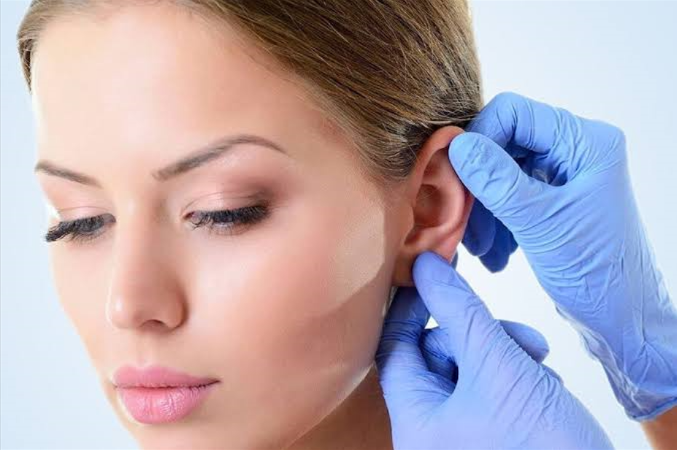
Many people feel self-conscious about ears that appear prominent, asymmetrical, or out of proportion with their facial features. While these concerns do not affect hearing, they can influence confidence and self-esteem. As a result, otoplasty, also known as ear reshaping surgery or ear pinning surgery, has become a popular cosmetic procedure for both children and adults seeking a more balanced appearance.
One of the first questions patients ask during an otoplasty consultation is, “Is otoplasty permanent?” Since cosmetic surgery is a long-term investment, understanding how long the results last is an important part of making an informed decision.
The simple answer is yes. In most cases, otoplasty is considered a permanent procedure because it permanently reshapes the cartilage of the ear. However, the longevity of the results also depends on factors such as surgical technique, healing, aftercare, and the patient’s lifestyle. This guide explains how otoplasty works, whether the results truly last, and what you can expect before and after treatment.
What Is Otoplasty?
Otoplasty is a cosmetic surgical procedure that changes the shape, size, or position of the ears to create a more balanced facial appearance. It is commonly performed to correct prominent ears, improve ear symmetry, reshape irregular cartilage, or reduce the appearance of large ears. Some patients also undergo ear correction surgery to address congenital ear deformities or changes caused by injury.
Unlike procedures that improve hearing, otoplasty focuses entirely on appearance. The goal is to create ears that look natural and proportionate to the rest of the face while preserving their normal function.
Modern ear reshaping surgery is highly personalized. Every patient’s ears are unique, so the surgical technique is carefully planned to suit their facial proportions and aesthetic goals.
Is Otoplasty Permanent?
Yes, otoplasty is generally considered a permanent cosmetic procedure. During surgery, the cartilage inside the ear is carefully reshaped and repositioned to achieve the desired appearance. Once the cartilage heals in its new position, it typically remains stable for many years and often for a lifetime.
Unlike temporary cosmetic treatments that require regular maintenance sessions, otoplasty changes the underlying structure of the ear. Because the cartilage itself is reshaped rather than simply supported externally, the improvements are designed to be long-lasting.
Although natural aging continues throughout life, it rarely causes the ears to return to their original position. For most patients, the results achieved through ear pinning surgery remain consistent and natural-looking for decades.
How Does Otoplasty Create Long-Lasting Results?
The permanence of otoplasty comes from the way the procedure modifies the ear cartilage. During surgery, the surgeon reshapes the cartilage by carefully bending, sculpting, or removing small portions to achieve the desired contour. Internal sutures are often used to hold the cartilage securely in its new position while healing takes place.
As the body heals, scar tissue develops around the reshaped cartilage, helping to reinforce its new structure. This natural healing process contributes to the long-term stability of the surgical outcome.
Since the structural framework of the ear has been permanently altered, the correction does not simply fade over time like non-surgical cosmetic procedures.
Can Otoplasty Results Change Over Time?
Although otoplasty is intended to provide permanent results, small changes may occur naturally over the years. These changes are usually subtle and are part of the body’s normal aging process rather than a reversal of the surgery.
The skin gradually loses elasticity with age, but this rarely affects the position of the ears significantly. More noticeable changes are generally associated with injuries or trauma that damage the cartilage after surgery.
In rare cases, individual healing differences or excessive scar tissue may slightly influence the final appearance during recovery. Choosing an experienced surgeon and following all post-operative instructions can help reduce these risks and support long-lasting results.
For the vast majority of patients, the ears remain in their corrected position without requiring additional treatment.
Who Is a Good Candidate for Otoplasty?
Otoplasty may be suitable for individuals who are unhappy with the appearance of their ears and want a permanent solution. People with prominent ears, noticeable asymmetry, oversized ears, or congenital ear irregularities often benefit from this procedure.
Adults of almost any age can undergo cosmetic ear surgery if they are in good general health and have realistic expectations about the outcome. Children may also be candidates once their ears have reached sufficient development, which usually occurs around five or six years of age.
A consultation with a qualified surgeon helps determine whether otoplasty is the right option based on the patient’s anatomy, medical history, and aesthetic goals.
What Happens During Ear Reshaping Surgery?
The exact surgical approach varies depending on the patient’s concerns. In most cases, the surgeon makes a small incision behind the ear, where any resulting scar is usually well concealed within the natural crease.
The cartilage is then carefully reshaped and repositioned to create a more natural contour. Permanent internal sutures may be used to maintain the new shape while the tissues heal. Once the desired result has been achieved, the incision is closed, and a protective dressing is applied around the ears.
Most otoplasty procedures are completed within one to two hours, and patients are usually able to return home on the same day.
Recovery After Otoplasty
Recovery from ear reshaping surgery is generally straightforward when patients carefully follow their surgeon’s instructions. During the first few days, mild swelling, bruising, and discomfort are normal and gradually improve as healing progresses.
A protective head dressing is typically worn immediately after surgery to help support the ears. After the initial dressing is removed, many patients are advised to wear a supportive headband at night for several weeks to protect the ears while sleeping.
Most individuals return to work, school, or other light daily activities within one week. More strenuous exercise and contact sports should usually be postponed until the surgeon confirms that healing is complete.
Although noticeable improvements appear once the swelling decreases, the final results become more apparent over the following weeks as the tissues settle.
What Can Affect the Long-Term Results?
Several factors contribute to the long-term success of otoplasty. The surgeon’s experience and surgical technique are among the most important, as precise cartilage reshaping helps create stable and natural-looking results.
Following post-operative care instructions also plays a significant role. Patients who avoid unnecessary pressure on the ears, wear protective garments as instructed, and attend follow-up appointments often experience smoother healing.
Trauma to the ears after surgery is one of the few situations that may affect the outcome. Protecting the ears during sports and other high-impact activities helps preserve the results for many years.
Are Revision Procedures Ever Needed?
Revision otoplasty is relatively uncommon, especially when the original surgery is performed by an experienced surgeon. However, a small number of patients may seek additional treatment if they wish to make further cosmetic refinements or if one ear heals differently from the other.
Occasionally, an unexpected injury or individual healing response may influence the final appearance. In such cases, a revision procedure can often improve symmetry and restore the desired result.
Is Otoplasty Worth It?
For many people, otoplasty offers more than a cosmetic improvement. Feeling comfortable with your appearance can have a positive impact on self-confidence and everyday interactions. Since the procedure provides long-lasting correction, many patients consider it a worthwhile investment in both appearance and well-being.
Unlike temporary treatments that require ongoing maintenance, otoplasty offers a permanent change to the ear’s structure, making it an appealing option for those seeking a lasting solution for prominent or misshapen ears.
Final Thoughts
So, is otoplasty permanent? In most cases, yes. Because the procedure permanently reshapes the ear cartilage, the results are designed to last for many years and often for a lifetime. While natural aging continues and injuries can affect the ears, the structural improvements achieved through surgery are generally stable and long-lasting.
If you are considering ear reshaping surgery, scheduling a consultation with a qualified surgeon is the best way to understand your treatment options, expected results, and recovery process. A personalized assessment can help determine whether otoplasty is the right choice for achieving a more balanced and confident appearance.
Frequently Asked Questions (FAQs)
Is otoplasty permanent?
Yes, otoplasty is generally considered a permanent procedure. During surgery, the ear cartilage is reshaped and secured in its new position, allowing the results to last for many years. While natural aging continues, the corrected ear shape usually remains stable.
How long does otoplasty last?
The results of otoplasty are typically lifelong. Once the ears have healed completely, they usually maintain their new position unless affected by significant trauma or a rare surgical complication.
Is otoplasty painful?
Otoplasty is performed under local or general anesthesia, so you should not feel pain during the procedure. Mild discomfort, swelling, and tenderness are common during the first few days of recovery and can usually be managed with prescribed medication.
How long is the recovery after otoplasty?
Most patients return to work, school, or other light daily activities within one week. Swelling gradually improves over several weeks, and complete healing may take a few months.
Does otoplasty leave visible scars?
The incisions are usually made behind the ears, where scars are well hidden within the natural crease. Over time, these scars typically fade and become less noticeable.
Can adults have otoplasty?
Yes. Otoplasty is suitable for adults of all ages who are in good overall health and wish to improve the shape, size, or position of their ears.
What is the best age for otoplasty?
Children can usually undergo otoplasty once their ears have reached near full development, which is typically around five to six years of age. Adults can have the procedure at any age if they are suitable candidates.
Can otoplasty correct one ear only?
Yes. If only one ear is prominent or asymmetrical, otoplasty can be performed on a single ear to improve balance and facial symmetry.
What are the benefits of otoplasty?
Otoplasty can improve ear symmetry, reduce the appearance of prominent ears, enhance facial balance, and boost self-confidence by creating a more natural-looking ear shape.
How do I know if I am a good candidate for otoplasty?
You may be a good candidate if you are unhappy with the appearance of your ears, have realistic expectations, are in good general health, and want a long-lasting solution for prominent, asymmetrical, or misshapen ears. A consultation with a qualified surgeon can determine if the procedure is right for you.