HIFU Treatment
Skin naturally loses its firmness with age, and for years, the only real answer to sagging skin was surgery. That has changed. HIFU, or High-Intensity Focused Ultrasound, has become one of the most sought after non-surgical treatments for tightening and lifting skin, and it is now widely available at cosmetic clinics across Islamabad. This guide explains what HIFU is, how it works, and exactly which areas of the body it can treat.
What Is HIFU?
HIFU stands for High-Intensity Focused Ultrasound. It is a noninvasive cosmetic procedure that uses focused sound wave energy to reach the deeper structural layers of the skin without cutting, injecting, or otherwise disturbing the surface. Instead of resurfacing the skin from the outside, as lasers do, HIFU works from the inside out, heating tissue at a precise depth to trigger the body’s own collagen-building response.
Because the treatment leaves the outer skin untouched, there are no incisions, no needles, and essentially no recovery time. Patients walk into the clinic, undergo the session, and return to their normal routine the same day, which is a large part of why HIFU has become so popular among people who want the effects of a facelift without the surgery.
How Does HIFU Work?
The science behind HIFU is fairly straightforward once broken down into steps:
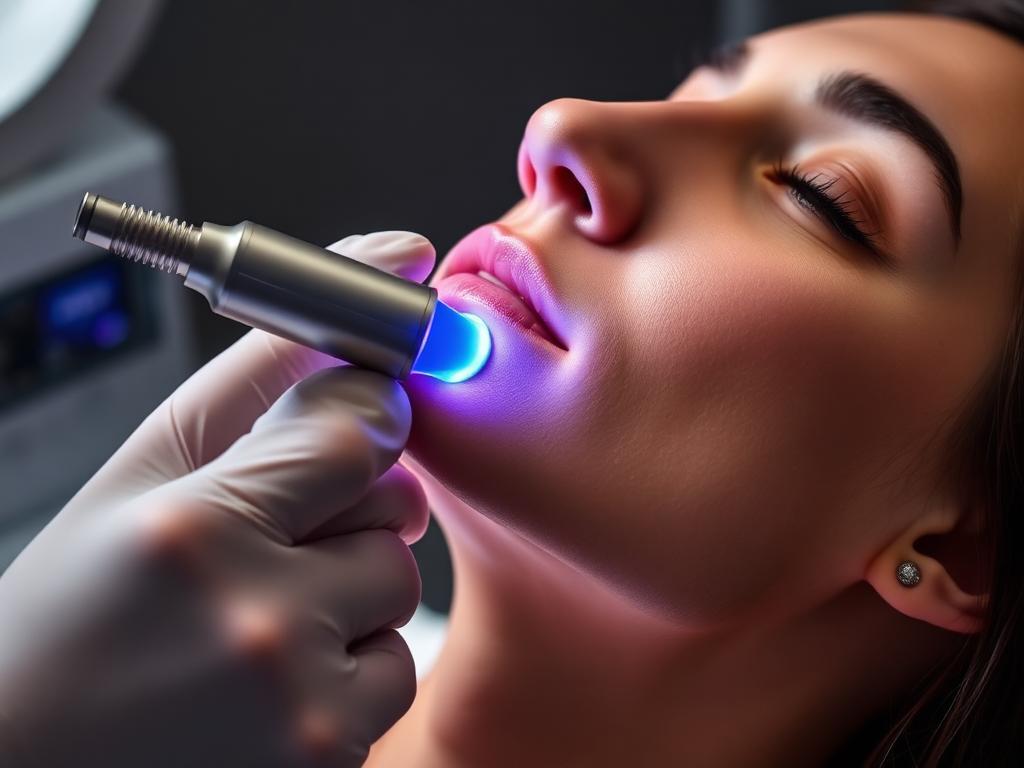
- Energy delivery: A handheld ultrasound device is passed over the treatment area. Unlike diagnostic ultrasound, which only images tissue, HIFU concentrates its energy into tiny focal points beneath the skin.
- Controlled heating: At each focal point, the tissue is heated to around 60 to 70°C for a fraction of a second. This creates micro injury zones deep in the skin without harming the surface.
- Collagen response: The body reads this controlled heat damage as a signal to repair itself. It responds by ramping up the production of new collagen and elastin the two proteins responsible for keeping skin firm plump and elastic.
Which Areas Can HIFU Treat?
One of the most common misconceptions about HIFU is that it is only a facial treatment. In reality its applications are much broader. Clinics in Islamabad typically offer HIFU for the following areas:
Face
- Forehead and brow:softens horizontal lines and provides a subtle brow lift, opening up the eye area.
- Cheeks and mid face: lifts sagging cheeks and softens nasolabial folds (the lines that run from the nose to the corners of the mouth).
- Jawline: redefines a blurred or drooping jawline, one of the most requested outcomes for both men and women.
- Around the eyes: improves mild hooding of the upper eyelid and crepey skin around the lower lid.
- Perioral area: softens fine lines around the mouth, sometimes called “smoker’s lines” even in non-smokers.
Neck
Neck tightens; loose skin under the chin and along the sides of the neck is one of the earliest and most visible signs of skin laxity.
- Submental area (double chin) firms the tissue under the chin improving the angle between the chin and neck.
- Décolletage (chest) smooths crepey, sun-damaged skin across the upper chest an area that ages quickly but is often neglected in skincare routines.
Body
HIFU is not limited to the face and neck. With higher energy body transducers, many clinics also use it for:
- Abdomen: Tightening loose skin after weight loss or pregnancy.
- Upper arms: Reducing mild sagging often described as “bat wings.”
- Inner thighs and knees: Improving skin laxity in areas that are difficult to address with exercise alone.
- Buttocks and flanks: Contouring and firming as part of a broader body tightening plan.
Who Is a Good Candidate for HIFU?
HIFU works best for people with mild to moderate skin laxity rather than significant sagging. Typical candidates include:
- Adults in their late 20s to 60s who are starting to notice loss of firmness but are not yet considering surgery
- Individuals who want to delay or complement the results of a previous facelift
- Patients looking for a lunch-break procedure with no downtime
A proper consultation is essential before treatment. A qualified practitioner will assess skin elasticity, discuss goals, and confirm that a patient has no contraindications such as active skin infections, certain implanted devices, or specific skin conditions in the treatment area.
What to Expect During a Session
A typical HIFU session at a clinic in Islamabad follows a similar pattern:
- Consultation and cleansing: The skin is cleaned, and the treatment area is marked out.
- Application of ultrasound gel: This helps the device glide smoothly and ensures effective energy transmission.
- Ultrasound delivery: The practitioner moves the handpiece across the marked area in a grid pattern, delivering lines of focused energy at set depths.
- Sensation: Most patients feel brief warmth or tingling, and occasionally short bursts of a prickling sensation as the energy reaches its focal point. This is generally well tolerated, and any discomfort passes quickly.
- Finish: There is no bandaging or special aftercare required. Mild redness or warmth in the treated area usually settles within a few hours.
Depending on the area, sessions can run anywhere from 30 minutes for a smaller zone like the brow, up to 90 minutes for a full face-and-neck treatment.
Results and How Long They Last
HIFU results are progressive rather than instant. Patients often notice:
- A subtle initial tightening immediately after treatment, caused by the heat’s effect on existing collagen fibres
- Gradual improvement over the following two to three months as new collagen forms
- Continued refinement for up to six months in some cases
Results commonly last from several months up to a year or more, depending on the individual’s age, skin condition, and lifestyle factors such as sun exposure. Because the underlying aging process continues, most practitioners recommend a touch-up session every 12 to 18 months to maintain results.
HIFU vs. Other Skin Tightening Options
Patients researching HIFU often compare it with lasers, radiofrequency treatments, and surgical facelifts:
- Versus lasers and radiofrequency: Lasers and RF devices generally work on more superficial layers of skin, improving texture, tone, and fine lines. HIFU reaches deeper, working at the same structural level addressed in surgery, making it more effective specifically for lifting and firming rather than resurfacing.
- Versus a surgical facelift: A facelift remains the most powerful option for significant sagging, but it involves incisions, anaesthesia, and a real recovery period. HIFU offers a non-surgical alternative for those with mild-to-moderate laxity or as a way to delay surgery.
Frequently Asked Questions
Is HIFU painful?
Most patients describe HIFU as a warm, tingling sensation rather than pain, with occasional brief moments of a sharper, prickling feeling as the energy reaches its focal point deep in the skin. This passes quickly and is generally well tolerated. Practitioners can also adjust the intensity for patients with a lower pain threshold.
How many sessions of HIFU are needed?
Many patients see visible improvement after a single session, since HIFU triggers an ongoing collagen building process that continues for months. Depending on the degree of skin laxity some practitioners recommend a second session six to twelve months later with touch-ups roughly once a year to maintain results.
How long do HIFU results last?
Results typically last between twelve and eighteen months, though this varies by age, skin condition, and lifestyle factors such as sun exposure. Because the natural aging process continues, most people choose a maintenance session once a year rather than a one-time treatment.
When will I see results?
Some tightening is visible almost immediately, caused by the heat’s effect on existing collagen fibres. The fuller effect builds gradually as new collagen forms, with most improvement visible within two to three months and continued refinement for up to six months.
Is there any downtime after HIFU?
No significant downtime is required. Most patients return to work or daily activities immediately. Mild redness, warmth, or slight swelling in the treated area is common and usually settles within a few hours to a day.
Does HIFU really work, or is it a scam?
HIFU is backed by clinical research and has FDA clearance for brow lifting and improving lines on the neck and chest. It is not a myth, but it is also not magic, it works best on mild to moderate skin laxity and will not replicate the dramatic results of a surgical facelift on significantly sagging skin.
Who should avoid HIFU?
HIFU is generally not recommended for people with active severe acne, open wounds, or skin infections in the treatment area, those with metallic implants or electrical devices near the site, pregnant women, and patients with very significant skin laxity who would benefit more from surgery.
What is the difference between HIFU and a facelift?
A surgical facelift physically removes excess skin and repositions deeper tissue, producing the most dramatic and immediate results but requiring incisions, anaesthesia, and weeks of recovery. HIFU works non-surgically by stimulating the body’s own collagen production, offering a more gradual, subtler lift with no downtime, making it better suited to earlier signs of aging rather than advanced sagging.
What is the difference between HIFU and Botox or fillers?
Botox relaxes muscles to reduce expression lines, and fillers add volume to specific areas. Many clinics combine HIFU with Botox or fillers for a more complete rejuvenation, since each treatment addresses a different aspect of aging.
Can HIFU be done on the body, or only the face?
HIFU is commonly used well beyond the face. With appropriate body transducers, it is also applied to the neck, décolletage, abdomen, upper arms, thighs, and buttocks to improve skin laxity in those areas.
At what age should someone consider HIFU?
Most candidates are in their late twenties to sixties, once early signs of skin laxity start to appear, such as a softened jawline or looser skin under the chin. Some younger patients also opt for HIFU preventively, while patients with more advanced sagging are typically better suited to surgical options.
Is HIFU safe?
Ultrasound energy has been used safely in medicine for decades, and HIFU devices for skin tightening are supported by clinical studies showing a strong safety profile. Side effects are usually mild and temporary, such as redness, swelling, or slight tenderness. Choosing a clinic with a genuine, calibrated device and a trained practitioner is the most important safety factor.
How much does HIFU cost in Islamabad?
Pricing depends on the area being treated, the number of sessions required, and the specific clinic and device used. Full face-and-neck treatments generally cost more than a single smaller area such as the brow or under-chin. It’s best to book a consultation for an accurate, personalised quote rather than relying on general estimates.
Final Thoughts
HIFU has earned its place as one of the most reliable non-surgical options for tightening and lifting skin,not just on the face and neck, but across the chest, abdomen, arms, and thighs as well. Its appeal lies in a simple combination: real, collagen-driven results, no downtime, and no need for surgery. For anyone in Islamabad noticing the first signs of sagging skin and looking for a natural-looking, gradual improvement, a consultation with a qualified HIFU provider is a sensible first step toward understanding whether the treatment is the right fit.