Botox is one of the most widely used cosmetic and medical injections in the world, a small, precisely dosed treatment that relaxes targeted muscles to smooth wrinkles, ease migraines, slim a jawline, or stop excessive sweating, depending on where it’s placed. It takes minutes to inject, requires no downtime, and has become the go-to option for people who want visible results without surgery.
What Is Botox, Really?
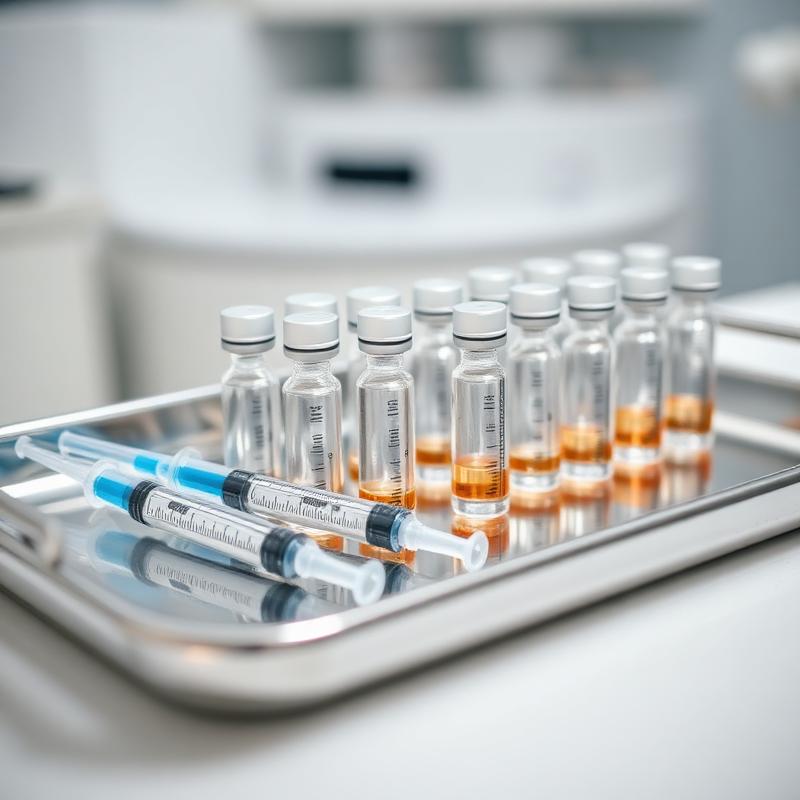
Botox is a brand name for botulinum toxin type A, a neurotoxin produced by the bacterium Clostridium botulinum. In small, medically controlled doses, it’s injected into specific muscles or glands to temporarily block nerve signals and reduce muscle activity.
Botox is one brand among several that use botulinum toxin, including Dysport, Xeomin, and Jeuveau. Each differs slightly in potency and how quickly it takes effect, but “Botox” has become the generic term most people search for the same way “Kleenex” stands in for tissues.
Botulinum toxin occurs naturally and, in large uncontrolled amounts, can cause a serious illness called botulism. For medical use, the toxin is diluted and sterilized under strict lab conditions so it’s safe to inject in the tiny amounts used for treatment.
How Does Botox Actually Work?
Nerves communicate with muscles using a chemical messenger called acetylcholine. Botox blocks the release of this messenger at the nerve ending, so the targeted muscle stops contracting. The muscle isn’t damaged; it simply relaxes because it’s no longer receiving the signal to tense up.
This is exactly why results are temporary. New nerve connections gradually form over several months, signaling a return to normal, and the muscle regains full movement, which is why repeat treatments are needed to maintain results long-term.
What Is Botox Actually Used For?
Botox’s reputation is mostly cosmetic, but its medical uses came first and remain just as significant.
Cosmetic Uses
Botox smooths fine lines and wrinkles caused by repeated muscle movement, commonly treating the:
- Forehead and frown lines between the eyebrows
- Crow’s feet around the eyes
- Lip lines and lines around the mouth
- Chin
- Masseter (jawline) slimming a square jaw and easing teeth grinding
- Neck
Medical Uses
Botox has been used medically for decades, treating conditions such as:
- Chronic migraines (approved for people who experience headaches at least 15 days a month)
- Hyperhidrosis (excessive sweating, often in the underarms)
- Overactive bladder and urinary incontinence
- Crossed eyes (strabismus) and eyelid twitching
- Cervical dystonia and other conditions involving excessive muscle contraction
- Upper limb spasticity in both adults and children
Pain Management
Less commonly known, Botox is also used to manage chronic pain by blocking the nerve signals that drive muscle-related pain, including:
- Back, neck, and jaw pain
- TMJ-related pain
- Nerve pain and sciatica
- Chronic myofascial pain
Botox vs. Fillers: Not the Same Thing
Botox and dermal fillers are often mentioned together, but they solve different problems:
- Botox relaxes muscles to reduce wrinkles caused by movement, like frown lines.
- Fillers made from substances like hyaluronic acid or collagen add volume beneath the skin to fill static wrinkles or restore lost volume in the cheeks and lips.
What About “Hair Botox”?
Worth clearing up directly: hair Botox has nothing to do with botulinum toxin. It’s a marketing name for a deep conditioning hair treatment built around keratin, collagen, vitamins, and amino acids that coat and smooth the hair shaft.
- Hair Botox vs. keratin: both reduce frizz and add shine, but hair Botox formulas are typically lighter and don’t rely on formaldehyde-releasing chemicals the way some traditional keratin treatments do.
- Results generally last a few months and fade gradually with washing.
- Pricing varies by salon, hair length, and thickness, so it’s worth getting a direct quote.
What Happens During Treatment
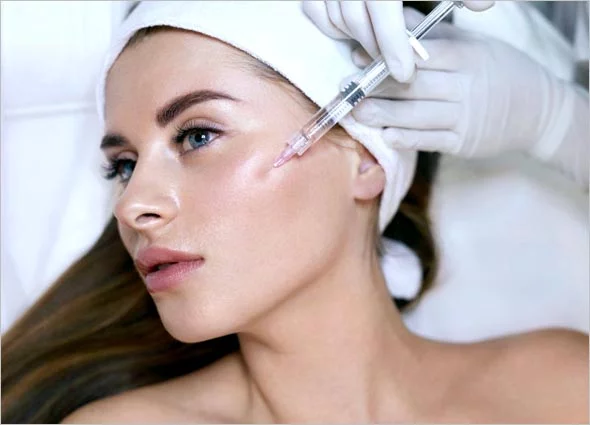
- Your provider uses a very fine needle to inject small amounts of Botox directly into the target muscle, you may need several injection points depending on the area.
- It’s an outpatient procedure, meaning you go home the same day, with no need for recovery time built in.
- Discomfort is typically mild,more of a quick sting than real pain, and a topical numbing agent can be applied beforehand if you’re concerned.
- For certain medical uses, like overactive bladder treatment, local or regional anesthesia may be used instead.
What to Expect After Your Injection
- First 12 hours: avoid rubbing or applying pressure to the treated area, so the toxin doesn’t spread beyond where it was injected.
- First 3 to 4 hours: stay upright rather than lying down.
- First 24 hours: avoid strenuous physical activity.
- Day 3 to 4: most people start noticing the muscle-relaxing effect.
- Days 10 to 14: full results become visible.
- 3 to 6 months: the effect gradually wears off as nerve signaling returns to normal and muscle movement, along with wrinkles or symptoms, comes back.
Beyond these precautions, most people return to work and normal activities immediately, since there’s no real downtime involved.
How Often Should You Get Botox?
Most people need a repeat treatment every 3 to 4 months to maintain results, though this can stretch out over time; some patients find their muscles gradually “learn” to contract less, allowing longer gaps between sessions. Your provider can tailor a schedule to your specific response.
Common Side Effects
Most Botox side effects are mild and settle within a day or two:
- Pain, swelling, redness, or bruising at the injection site
- Mild headache or flu-like symptoms
- Temporary upset stomach
- Slight drooping of an eyelid or brow if the toxin spreads a little beyond the injection site
- Eye irritation or redness, particularly with injections near the eyes
Who Shouldn’t Get Botox
Botox is considered relatively safe, but it’s generally not recommended if you:
- Are pregnant or breastfeeding
- Have a neuromuscular disease
- Already have drooping eyelids or weak facial muscles
Risks and Complications Worth Knowing
Serious complications are uncommon, but worth understanding rather than glossing over:
- Spread of the toxin beyond the injection site, which can cause unusual muscle weakness, blurred or double vision, drooping eyelids, slurred speech, difficulty swallowing, or in rare cases, breathing problems
- Allergic reactions, which are rare but possible
- Numbness or unexpected weakness in an area that wasn’t even treated
Botox Cost: What Affects the Price
Botox injection price in Pakistan depends on a few key factors:
- Number of units used — different areas need different unit counts, so “20 units of Botox before and after” for frown lines looks nothing like the units needed for a full forehead treatment
- The injector’s experience and clinic reputation
- Whether the treatment is purely cosmetic or medical, like for migraines or hyperhidrosis
Most insurance plans cover Botox for medical conditions like chronic migraines or urinary incontinence, but typically not for cosmetic use. A personalized consultation remains the only reliable way to get an accurate quote, since the number of units required is different for everyone.
Choosing Where to Get It Done
Since Botox is a prescription medical treatment rather than a beauty-salon service, the provider matters as much as the product:
- Confirm the injector is medically trained and experienced specifically with botulinum toxin
- Ask which brand/product is being used and confirm it’s licensed and authentic
- Discuss your goals and full medical history honestly, including current medications
- Be cautious of unusually cheap “deals” underdosed or counterfeit product is a real risk in unregulated markets
Frequently Asked Questions
1. What is Botox? Botox is a purified form of botulinum toxin type A, injected in small medical doses to temporarily relax targeted muscles most often to smooth wrinkles or treat specific medical conditions.
2. Is Botox the same as filler? No. Botox relaxes muscles to reduce movement-related wrinkles, while fillers add volume beneath the skin. They treat different concerns and are often used together.
3. How long does Botox last? Results typically last 3 to 6 months before the effect gradually wears off and muscle movement returns.
4. Is hair Botox real Botox? No — hair Botox is a keratin-based deep conditioning hair treatment. It shares only the name with the injectable and contains no botulinum toxin.
5. What is masseter Botox used for? It’s injected into the jaw muscle to slim a square jawline and can also help reduce teeth grinding and jaw tension.
6. Does Botox hurt? The needles used are very fine, so most people feel only mild stinging rather than real pain. A numbing gel can be applied beforehand if needed.
7. Can Botox help with migraines? Yes, Botox is an approved treatment for chronic migraines, injected into specific head and neck muscles on a repeating treatment cycle, and tends to work better with each additional session.
8. Is Botox safe? When administered by a qualified, experienced provider using authentic product, Botox is considered safe with a low rate of serious complications. It’s generally avoided during pregnancy or breastfeeding.
9. How much does a Botox injection cost in Pakistan? Cost depends on the number of units needed, the treatment area, the provider’s experience, and the city. A consultation gives the most accurate price.
10. What’s the difference between Botox and Dysport? Both are botulinum toxin injections, but they differ slightly in potency,Dysport may show results a little faster, while Botox is often reported to last a bit longer. Your provider can help you decide which suits you.