Facial aging affects everyone differently. While some people notice volume loss in their cheeks, others develop deeper smile lines, thinner lips, or a less defined jawline. As collagen, elastin, and hyaluronic acid naturally decline with age, the face gradually loses its youthful structure, making wrinkles, hollows, and sagging skin more noticeable.
Fortunately, dermal fillers offer a non-surgical solution for restoring facial volume, enhancing natural contours, and softening visible signs of aging. These injectable treatments have become one of the most sought after cosmetic procedures because they deliver immediate, natural looking results with minimal downtime. Whether the goal is subtle facial rejuvenation or enhanced facial harmony, fillers can be customized to suit each individual’s anatomy and aesthetic goals.
What areas of the face can be treated with fillers?
The answer is that dermal fillers are incredibly versatile. They can be used to restore lost volume, smooth wrinkles, improve facial symmetry, and enhance several areas of the face without surgery. Understanding which areas can be treated will help you determine whether dermal fillers are the right option for your cosmetic concerns.
What Are Dermal Fillers?
Dermal fillers are injectable gel-like substances placed beneath the skin to restore volume, smooth facial folds, and improve facial contours. Most modern fillers are made from hyaluronic acid (HA), a naturally occurring substance that helps keep the skin hydrated, plump, and youthful. As the body’s natural hyaluronic acid levels decline with age, the skin begins to lose elasticity and fullness. Dermal fillers replace this lost volume, creating a smoother and more refreshed appearance.
Unlike cosmetic surgery, dermal filler treatments require no incisions or lengthy recovery. Results are visible almost immediately, making them an attractive option for people seeking facial rejuvenation without significant downtime.
How Do Dermal Fillers Improve Facial Features?
Dermal fillers work by restoring structural support beneath the skin. When injected into targeted areas, they replace lost volume, lift soft tissues, and improve facial balance. Depending on the treatment area, fillers can define facial contours, soften wrinkles, or enhance naturally delicate features.
An experienced aesthetic practitioner carefully assesses your facial proportions before treatment to ensure that every enhancement complements your natural appearance rather than changing it dramatically. Modern filler techniques focus on facial harmony, subtle rejuvenation, and preserving natural expressions.
Lips
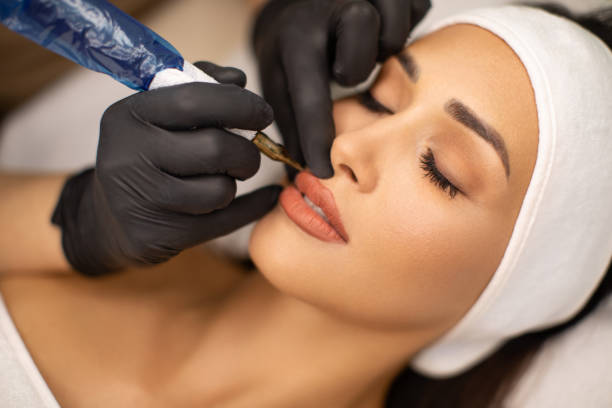
Lip enhancement is one of the most popular uses of dermal fillers. Some patients seek fuller lips, while others simply want better definition or improved symmetry. Hyaluronic acid fillers can add natural-looking volume, enhance the lip border, improve hydration, and soften fine lines that develop around the mouth with age.
The goal of modern lip filler treatments is not to create an overfilled appearance but to achieve balanced proportions that complement the rest of the face.
Cheeks
The cheeks play a vital role in maintaining youthful facial structure. As collagen and facial fat diminish over time, the cheeks can appear flatter, causing the mid-face to sag and making other wrinkles more noticeable.
Cheek fillers restore lost volume, improve facial contours, and create a subtle lifting effect. They can also enhance cheekbone definition, giving the face a fresher and more youthful appearance without surgery.
Nasolabial Folds (Smile Lines)
Nasolabial folds are the lines that extend from the sides of the nose to the corners of the mouth. Although they are a natural part of facial anatomy, they often become deeper with age as facial volume decreases.
Dermal fillers can soften these folds by restoring support beneath the skin, creating a smoother transition between the cheeks and lower face. Rather than completely removing these lines, experienced practitioners aim to reduce their depth while maintaining natural facial movement.
Marionette Lines
Marionette lines run downward from the corners of the mouth toward the chin and may create a tired or unhappy facial expression. These lines often develop due to age-related volume loss and reduced skin elasticity.
Carefully placed dermal fillers can restore support to this area, reducing the appearance of marionette lines and creating a more refreshed, approachable look while preserving natural facial expressions.
Under-Eye Hollows (Tear Troughs)
Dark circles and hollow areas beneath the eyes can make a person appear constantly tired, even when they are well-rested. In suitable candidates, tear-trough fillers can restore lost volume beneath the eyes, reducing shadowing and creating a brighter, more refreshed appearance.
Because the under-eye region is delicate and anatomically complex, this treatment should always be performed by an experienced medical professional with advanced knowledge of facial anatomy to ensure both safety and natural-looking results.
Chin
A well-proportioned chin contributes significantly to overall facial balance. Individuals with a naturally recessed chin or age-related volume loss may benefit from chin fillers, which improve projection, strengthen the side profile, and enhance facial symmetry.
For many patients, chin augmentation with fillers offers an effective alternative to surgical implants, with immediate results and little to no downtime.
Jawline
A defined jawline is often associated with a youthful and well-contoured appearance. Aging can lead to reduced jawline definition as skin loses elasticity and facial tissues gradually descend.
Jawline fillers restore structure along the lower face, creating sharper contours and improving the transition between the face and neck. Both men and women choose jawline enhancement to achieve better facial definition while maintaining a natural appearance.
Temples
Volume loss in the temples is one of the earliest yet most overlooked signs of facial aging. As fat and collagen diminish over time, the temples can appear hollow, making the upper face look older and causing the brows to lose subtle support. Carefully placed dermal fillers can restore lost volume, creating a smoother transition between the forehead and cheeks while contributing to a more youthful facial shape.
Non-Surgical Nose Reshaping
For selected patients, dermal fillers can be used to improve the appearance of the nose without surgery. Known as a non-surgical rhinoplasty or liquid nose job, this treatment can smooth small bumps, improve the nasal profile, and create the illusion of a straighter nose.
However, not every nose is suitable for filler treatment. Because the nose contains important blood vessels, this procedure should only be performed by a highly experienced medical professional with advanced knowledge of facial anatomy.
Can Fillers Be Used for Full-Face Rejuvenation?
Yes. Rather than treating a single wrinkle or feature, many practitioners now use dermal fillers as part of a full-face rejuvenation approach. Aging affects the face as a whole, not just one area. By restoring volume in strategic locations such as the cheeks, temples, chin, jawline, and around the mouth, practitioners can create balanced, natural-looking improvements without making the face appear overfilled.
The focus is on enhancing facial harmony rather than dramatically changing your appearance. Every treatment plan is tailored to your facial anatomy, skin quality, and aesthetic goals.
Who Is a Good Candidate for Facial Fillers?
Dermal fillers are suitable for adults who want to restore facial volume, soften wrinkles, or enhance specific facial features without surgery. They are often recommended for individuals experiencing mild to moderate signs of facial aging or those seeking subtle cosmetic enhancements.
You may be a good candidate if you have facial volume loss, thin lips, under-eye hollows, deeper smile lines, or wish to improve the definition of your cheeks, chin, or jawline. The best candidates are generally in good overall health, have realistic expectations, and undergo treatment after a thorough consultation with a qualified dermatologist or aesthetic physician.
What Happens During the Procedure?
A dermal filler appointment usually takes between 30 and 60 minutes. The procedure begins with a consultation, during which the practitioner evaluates your facial structure, discusses your concerns, and develops a personalized treatment plan.
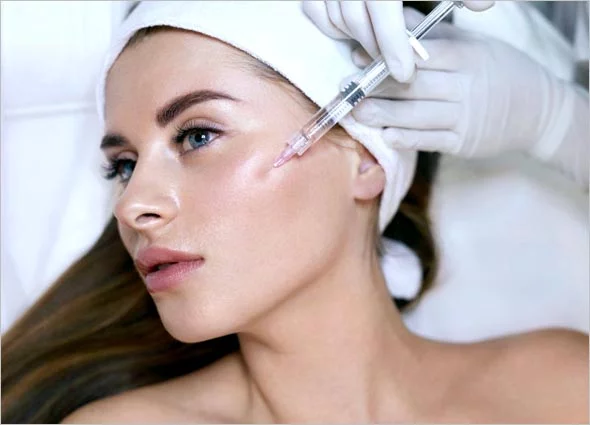
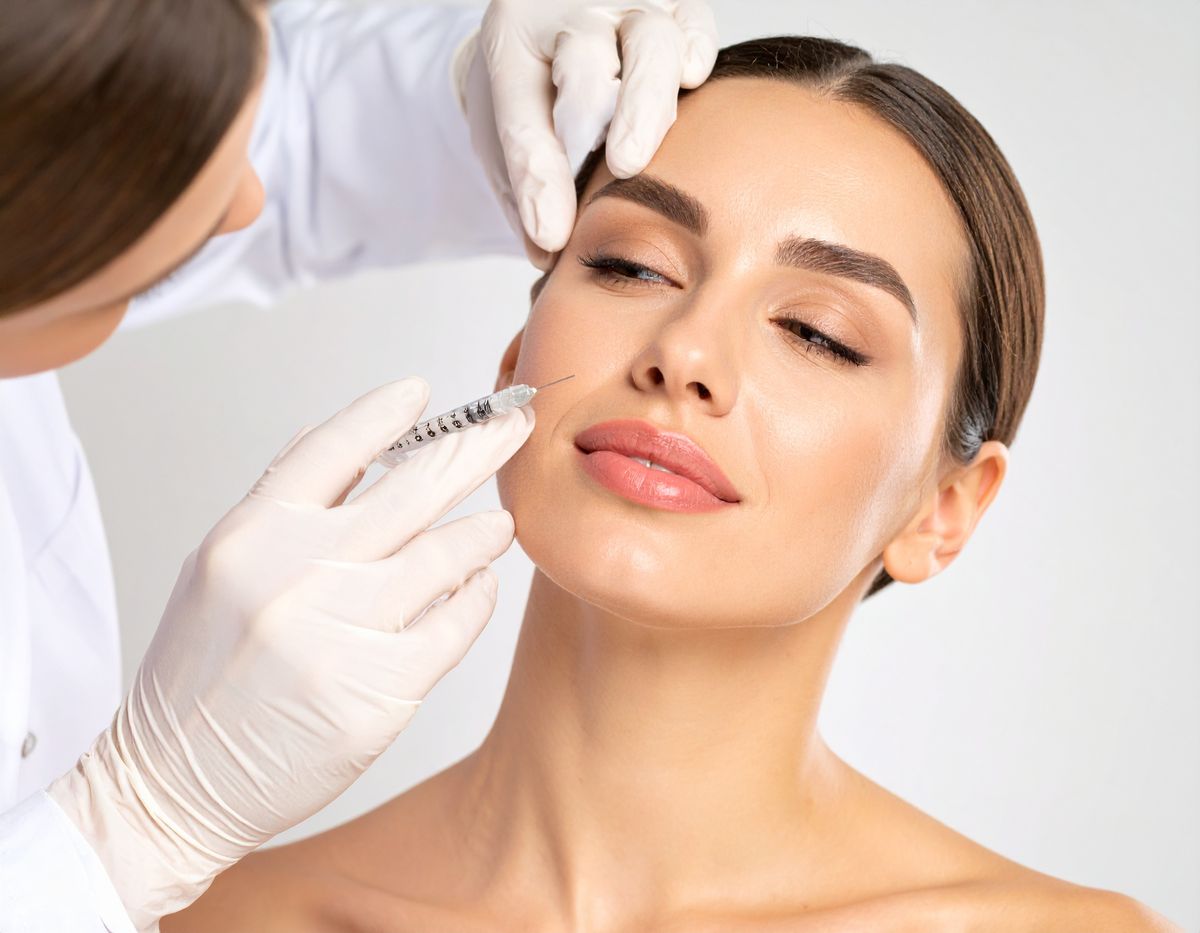
Before the injections, the treatment area is cleansed, and a topical numbing cream may be applied for comfort. Using a fine needle or blunt-tip cannula, the filler is carefully injected into the selected areas. The practitioner may gently massage the area to ensure smooth distribution and symmetrical results. Because the procedure is minimally invasive, most patients can return to their normal routine shortly afterward.
Recovery and Aftercare
Recovery following dermal fillers is generally quick and uncomplicated. Mild swelling, redness, tenderness, or bruising around the injection sites is common and usually resolves within a few days.
To achieve the best results, patients are advised to avoid strenuous exercise, excessive heat exposure, alcohol, and unnecessary pressure on the treated areas for at least 24 hours. Following your practitioner’s aftercare instructions helps reduce swelling and supports optimal healing.
Are Dermal Fillers Safe?
When performed by a qualified medical professional using high-quality filler products, dermal fillers are considered safe and effective. As with any cosmetic procedure, there are potential risks, including temporary swelling, bruising, redness, infection, or small lumps beneath the skin. Although serious complications are uncommon, they can occur if fillers are injected incorrectly, highlighting the importance of choosing an experienced practitioner.
Patients should always seek treatment at a reputable aesthetic clinic where safety protocols, product quality, and proper facial assessment are prioritized.
How Long Do Results Last?
The longevity of dermal fillers depends on the type of filler used, the treatment area, and individual factors such as metabolism and lifestyle. In general, lip fillers last around 6 to 12 months, while fillers placed in the cheeks, chin, or jawline can last 12 to 18 months. Periodic maintenance treatments help preserve the desired results.
How Much Do Facial Fillers Cost in Pakistan?
The cost of dermal fillers in Pakistan varies depending on the clinic, the brand of filler used, the number of syringes required, and the treatment area. On average, patients can expect to pay between PKR 35,000 and PKR 80,000 per syringe, although premium international brands and advanced facial contouring treatments may cost more. A consultation is the best way to receive an accurate treatment plan and cost estimate based on your individual needs.
Frequently Asked Questions
Which facial area is most commonly treated with fillers?
The lips, cheeks, nasolabial folds, jawline, and under-eye hollows are among the most frequently treated areas because they significantly influence facial balance and youthful appearance.
Can fillers treat multiple areas during one appointment?
Yes. Many patients choose to treat more than one facial area during the same session. A personalized treatment plan allows the practitioner to achieve balanced and natural-looking facial rejuvenation.
Will dermal fillers make my face look unnatural?
Not when performed correctly. Modern filler techniques focus on restoring lost volume and enhancing natural facial contours rather than creating an overfilled appearance.
Are facial fillers painful?
Most patients experience only mild discomfort. Many fillers contain lidocaine, and a topical anesthetic is often applied before treatment to improve comfort.
How soon will I see results?
The results of dermal fillers are visible immediately after treatment, although mild swelling may temporarily affect the final appearance. Most patients see the full results within one to two weeks.
Final Thoughts
Dermal fillers are a versatile, non-surgical treatment that can enhance multiple areas of the face, from the lips and cheeks to the jawline, chin, temples, and under-eye region. By restoring lost volume and improving facial contours, fillers help create a refreshed, balanced, and naturally youthful appearance while requiring little downtime.
The best results come from a personalized approach. Choosing a qualified dermatologist or aesthetic physician ensures that your treatment is tailored to your facial anatomy, aesthetic goals, and safety needs. Whether you’re looking to soften signs of aging or subtly enhance your features, dermal fillers can be an effective option for achieving natural-looking facial rejuvenation when performed by experienced hands.