Hair loss affects millions of people worldwide and can significantly impact confidence and self-esteem. Whether caused by genetics, hormonal changes, stress, aging, or certain medical conditions, thinning hair often prompts people to seek treatments that deliver noticeable, long-lasting results. While medications such as Minoxidil and Finasteride remain common choices, advancements in regenerative medicine have introduced newer therapies that aim to improve hair follicle health rather than simply slow hair loss.
One of the latest innovations attracting attention is exosome therapy. Marketed as a cutting-edge, non-surgical treatment, exosome therapy aims to stimulate hair follicles using naturally occurring cellular messengers that support tissue repair and regeneration. Many hair restoration clinics now offer this treatment as an alternative or complement to PRP and hair transplantation.
What Is Exosome Therapy for Hair Loss?
Exosome therapy is a regenerative treatment that uses tiny extracellular vesicles known as exosomes to promote communication between cells. These microscopic particles are naturally released by cells and contain a rich mixture of growth factors, cytokines, proteins, messenger RNA (mRNA), and microRNA. Rather than becoming new cells themselves, exosomes act as biological messengers, delivering signals that help nearby cells repair damage, reduce inflammation, and function more effectively.
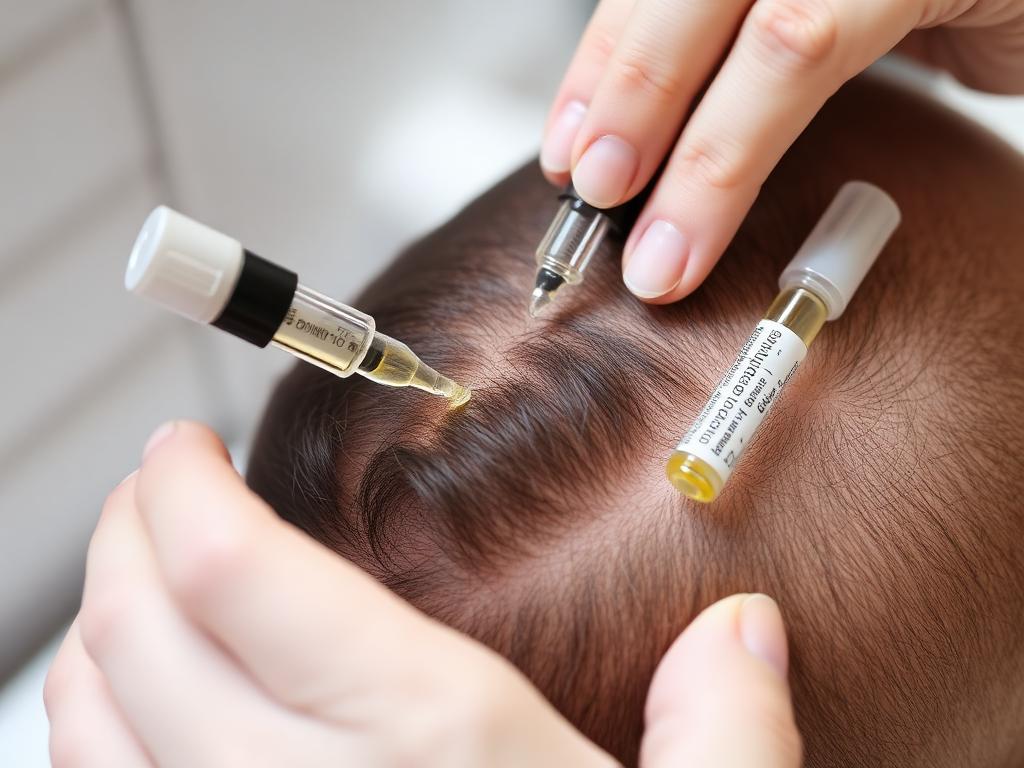
When used for hair restoration, exosomes are injected into areas of the scalp affected by thinning hair. The goal is to create a healthier environment around existing hair follicles, encouraging them to remain active and produce stronger, thicker hair. Unlike stem cell therapy, exosome therapy does not involve transplanting living stem cells, making it a minimally invasive option that relies on the regenerative signals produced by those cells.
How Does Exosome Therapy Work?
Hair follicles constantly cycle through phases of growth, rest, and shedding. In conditions such as androgenetic alopecia, these follicles gradually become smaller, producing finer hairs until growth eventually slows or stops. Exosome therapy is designed to interrupt this process by delivering biological signals that support follicle health and regeneration.
Once injected into the scalp, exosomes release growth factors and signaling molecules that communicate with surrounding cells. These molecules may reduce inflammation, improve blood supply, stimulate dormant follicles, and encourage the hair growth phase, known as the anagen phase. Researchers also believe that the microRNA and proteins carried within exosomes help regulate cellular repair mechanisms that are essential for healthy hair production.
Although laboratory studies and early clinical research have shown encouraging findings, exosome therapy is still considered an emerging treatment. More large-scale studies are needed to determine its long-term effectiveness and identify the patients who are most likely to benefit.
Conditions Treated
Exosome therapy is primarily intended for people whose hair follicles are still alive but functioning poorly. It may be recommended for several forms of hair loss, particularly during the early stages.
The treatment is most commonly used for androgenetic alopecia, also known as male or female pattern baldness, where follicles gradually shrink over time. It may also benefit individuals experiencing early hair thinning before significant follicle loss has occurred.
Some specialists use exosome therapy for telogen effluvium, a condition characterized by excessive shedding following stress, illness, childbirth, or nutritional deficiencies. In addition, exosomes are sometimes combined with procedures such as microneedling or hair transplantation to support healing and potentially enhance overall results. However, evidence for these applications continues to evolve.
Who Is a Good Candidate?
The best candidates for exosome therapy are individuals with mild to moderate hair thinning who still have active hair follicles. People seeking a non-surgical treatment with minimal downtime may also find it an appealing option.
Candidates should have realistic expectations, as results vary depending on age, genetics, the cause of hair loss, and the overall health of the scalp. Exosome therapy is generally more effective at improving existing hair than restoring hair in completely bald areas where follicles are no longer present.
Before recommending treatment, a qualified dermatologist or hair restoration specialist should perform a comprehensive scalp assessment to identify the underlying cause of hair loss and determine whether exosome therapy is the most appropriate option.
Step-by-Step Procedure
The treatment begins with a consultation, during which the specialist evaluates your scalp, reviews your medical history, and discusses your expectations. Once suitability has been confirmed, the scalp is cleansed and a topical anesthetic may be applied to minimize discomfort.
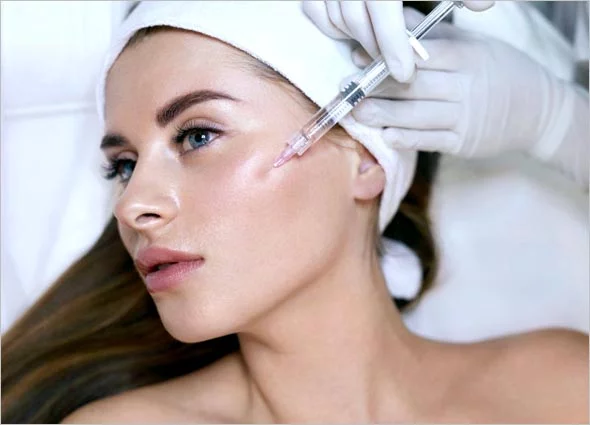
Using fine needles, the exosome solution is injected into areas experiencing hair thinning. Some clinics combine the procedure with microneedling to improve the penetration of regenerative factors and stimulate the scalp’s natural healing response. The treatment usually takes between 30 and 60 minutes, and because it is minimally invasive, most patients return to their normal routine the same day. Mild redness, swelling, or tenderness may occur temporarily but typically resolves within a few days.
Benefits of Exosome Therapy
One of the main advantages of exosome therapy is that it focuses on supporting the scalp’s natural regenerative processes rather than simply masking the symptoms of hair loss. By improving communication between cells and delivering growth-promoting molecules, the treatment may help strengthen existing hair, improve hair density, reduce inflammation around follicles, and enhance overall scalp health.
Patients also appreciate that exosome therapy requires little downtime and does not involve surgery. While individual outcomes vary, many people choose it as part of a comprehensive hair restoration plan that may also include medications, PRP, or microneedling. As research continues to expand, exosome therapy is expected to play an increasingly important role in regenerative hair restoration.
Does Exosome Therapy Really Work?
Exosome therapy has gained significant attention because of its potential to stimulate hair follicles through regenerative cell signaling. Laboratory research and early clinical studies suggest that the growth factors, cytokines, and genetic material contained within exosomes may improve follicle function, reduce inflammation, and encourage healthier hair growth. Some patients report increased hair density, thicker strands, and reduced shedding within a few months of treatment.
However, it is important to approach these findings with realistic expectations. Although the initial evidence is promising, exosome therapy is still considered an emerging treatment for hair loss. Most available studies involve relatively small groups of participants, and standardized treatment protocols have not yet been established. As a result, dermatologists generally recommend exosome therapy as part of a comprehensive hair restoration plan rather than a guaranteed standalone solution.
Before and After Results
Hair growth is a gradual process, so immediate results should not be expected. During the first few weeks, most patients notice little visible change as the scalp responds to the treatment. Improvements typically become noticeable between three and six months, with continued progress over the following months as healthier hair grows through the natural hair cycle.
The extent of improvement depends on several factors, including the underlying cause of hair loss, the health of existing hair follicles, age, genetics, and adherence to the recommended treatment plan. Patients with early-stage hair thinning often experience better outcomes than those with extensive or long-standing baldness.
Exosome Therapy vs PRP
Both exosome therapy and Platelet-Rich Plasma (PRP) are regenerative treatments designed to improve hair growth without surgery, but they work differently.
PRP uses the patient’s own blood, which is processed to concentrate platelets rich in growth factors before being injected into the scalp. Exosome therapy, on the other hand, delivers a concentrated source of signaling molecules, including growth factors, cytokines, proteins, and microRNA, that facilitate communication between cells and support tissue repair.
Some specialists believe exosomes may provide a stronger regenerative signal than PRP because they contain a broader range of bioactive molecules. However, PRP has been studied more extensively and currently has a stronger body of clinical evidence supporting its use. The choice between the two treatments should be based on a professional evaluation, individual goals, and available clinical evidence.
Exosome Therapy vs Hair Transplant
Exosome therapy and hair transplantation serve different purposes. Exosome therapy aims to preserve and strengthen existing hair follicles, making it most suitable for people with early to moderate hair thinning. In contrast, a hair transplant relocates healthy follicles from one part of the scalp to another, making it the preferred option for individuals with advanced baldness where follicles have already disappeared.
Rather than competing treatments, they can complement one another. Some surgeons use regenerative therapies after hair transplantation to support healing and improve the condition of both transplanted and existing hair, although research in this area is still developing.
Side Effects and Safety
Exosome therapy is generally considered minimally invasive and is usually well tolerated when performed by a qualified healthcare professional. The most common side effects include mild redness, swelling, tenderness, itching, or slight bruising around the injection sites. These reactions are typically temporary and resolve within a few days.
Because exosome products vary between manufacturers, patients should ensure their treatment is performed at a reputable clinic that follows strict quality and safety standards. It is also worth noting that exosome therapy has not been approved by the U.S. Food and Drug Administration (FDA) specifically for treating hair loss. Patients should be cautious of clinics making exaggerated claims or guaranteeing permanent results.
How Many Sessions Are Needed?
The number of sessions depends on the severity of hair loss, the individual’s response to treatment, and the clinic’s treatment protocol. Many practitioners recommend one to three initial sessions spaced several weeks apart, followed by maintenance treatments if needed.
Hair restoration is an ongoing process, particularly for conditions such as androgenetic alopecia. Your dermatologist may also recommend combining exosome therapy with medications or other regenerative treatments to achieve more consistent, long-term results.
Cost of Exosome Therapy
Exosome therapy is generally more expensive than PRP because of the specialized preparation involved. Internationally, treatment costs often range from USD 1,000 to USD 3,000 per session, depending on the clinic and the type of exosome product used.
In Pakistan, prices vary between cities and providers, but patients can typically expect to pay between PKR 80,000 and PKR 250,000 per session. Since multiple sessions may be recommended, discussing the complete treatment plan and total expected cost during the consultation is advisable.
Is Exosome Therapy Worth It for Hair Loss?
For many people with early to moderate hair thinning, exosome therapy offers an innovative, minimally invasive option that may improve hair density and support healthier follicles. It is particularly attractive to patients who want to explore regenerative treatments before considering surgery. However, because scientific evidence is still evolving, it should not be viewed as a guaranteed cure or a replacement for well-established treatments in every case.
The value of exosome therapy ultimately depends on selecting the right candidates, receiving treatment from qualified professionals, and combining it with an individualized hair restoration strategy when appropriate. A consultation with an experienced dermatologist remains the best way to determine whether exosome therapy aligns with your condition, expectations, and long-term goals.
Frequently Asked Questions
Does exosome therapy regrow hair?
Exosome therapy may stimulate dormant hair follicles and improve hair thickness in suitable candidates. While early research is encouraging, larger clinical studies are still needed to confirm its long-term effectiveness.
Is exosome therapy better than PRP?
Exosome therapy contains a wider range of signaling molecules than PRP, but PRP currently has stronger clinical evidence supporting its use. The most appropriate treatment depends on your individual condition and your specialist’s recommendation.
Is exosome therapy FDA-approved for hair loss?
No. Exosome therapy has not been approved by the FDA specifically for treating hair loss, and patients should be cautious of clinics making unsupported claims.
How long do the results last?
Results vary from person to person. Patients who respond well to treatment may enjoy improvements for around 12 to 18 months, although maintenance sessions may be recommended.
Is exosome therapy painful?
Most patients experience only mild discomfort because a topical anesthetic is usually applied before the injections. Temporary tenderness or redness may occur after the procedure.
Is exosome therapy available in Pakistan?
Yes. A growing number of dermatology and hair restoration clinics in Pakistan now offer exosome therapy. Choosing a qualified specialist and a reputable clinic is essential for both safety and treatment outcomes.
Final Thoughts
Exosome therapy is an exciting advancement in regenerative medicine that offers a promising, non-surgical approach to hair restoration. By delivering growth factors and other bioactive molecules to the scalp, it aims to support healthier hair follicles and encourage natural hair growth. While early research and clinical experience suggest encouraging results, exosome therapy is still an emerging treatment, and more high-quality studies are needed to confirm its long-term effectiveness and establish standardized treatment protocols.
For individuals with early to moderate hair thinning, exosome therapy may be a worthwhile option, particularly when combined with proven treatments such as Minoxidil, Finasteride, PRP, or microneedling under the guidance of a qualified dermatologist. However, it is not a guaranteed cure for hair loss, and results vary from person to person. Consulting an experienced hair restoration specialist is the best way to determine whether exosome therapy is the right investment for your specific condition and treatment goals.